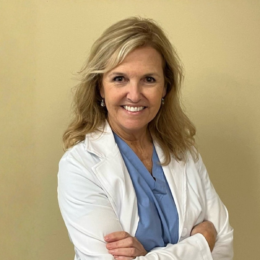
Lactation Consultant
Career Deep Dive
✔️ What they do:
- Provide individualized lactation support to families during and after hospital stays
- Educate patients on infant feeding techniques, pumping, and milk supply
- Assess latch, transfer, positioning, and troubleshoot feeding challenges
- Collaborate with pediatricians, OBs, and nurses to ensure whole-family care
- Advocate for patient-centered feeding plans—including formula when needed
✔️ Perks
- Meaningful work – Supporting families during their earliest bonding moments
- Flexible career paths – Inpatient, outpatient, private practice, or virtual consults
- Autonomy – Many clinics allow scheduling input or support independent roles
- Global scope – The IBCLC certification is internationally recognized so location can be flexible, even internationally!
- Work-life balance – Set shifts and non-emergent care are common in this role
⚠️ Challenges
- Certification hours can be complex – Logging clinical hours or finding a mentorship can take time and planning
- Emotional weight – Patients may experience guilt, grief, or shame; supporting them requires empathy and resilience
- Limited departments – Not every hospital has a lactation team; positions can be competitive
- Pace can still vary – Clinic census, appointments, and postpartum rounds all impact workload
Salary and Schedule Insights
Work Settings:
- Inpatient hospital units (L&D, postpartum)
- Outpatient breastfeeding clinics
- WIC or public health programs
- Telehealth lactation consults
- Private practice
Typical Schedule:
- Usually 8-hour shifts, often without overnights or weekends
- Some flexibility to trade shifts or work part-time
- Appointments typically allow for deeper, more focused interactions
Salary Ranges:
National salary data for lactation consultants shows a broad range, depending on credentials, experience, work setting, and location. Here’s what you can expect:
- 🏥 National Averages:
- Average Annual Salary: $93,000–$110,000
- Average Hourly Rate: $42–$50/hour
- Typical Salary Range: $75,000–$125,000+
- 📍 Influencing Factors:
- Work Setting: Outpatient clinics and hospitals often offer steady pay and benefits, while private practice or consulting work may allow for higher hourly rates.
- Location: Urban areas and states with high costs of living typically offer higher salaries. Rural regions may offer lower pay, but more flexibility or autonomy.
- Credentials: Nurses with the IBCLC certification (International Board Certified Lactation Consultant) tend to earn more, especially if paired with BSN, MSN, or NP degrees.
- 📈 Bonus Tip:
- Those working independently or consulting part-time often report rates between $75–$150/hour depending on expertise, marketing, and client base.
How to get started?
- Visit the International Board of Lactation Consultant Examiners website to explore certification routes:
- Take a Peer Support Course
- Start small! Many community organizations offer short-term courses to explore lactation work before committing to certification.
- Reach out to a local lactation consultant
- Ask to shadow, observe a clinic day, or conduct an informational interview.
- Join La Leche League or Nursing Mothers Council
- These organizations offer community support and can help build your network or fulfill volunteer hours.
- Connect with the IBCLC community on LinkedIn
- Many lactation consultants love mentoring and are happy to answer questions.