Forensic Nursing
Key Takeaways
It’s broader than most people think.
Forensic nursing covers far more ground than most nurses realize. Just a few of the specialties include: Sexual Assault Nurse Examiner (SANE), Death Investigator, Strangulation Evaluator, and Emergency and Disaster Preparedness. Some forensic nurses work in Legal Nurse Consulting as well.
Access is a serious gap in care.
Only about 25% of US hospitals have a SANE or forensic nursing program. Many communities depend on local agencies to fill that gap, and in some rural areas, patients are driving three hours just to access a forensic exam. That should never be the case.
Your clinical skills are already the foundation.
You don’t need a completely new skillset to move into forensic nursing. Assessment, documentation, patient advocacy, trauma-informed care are already in your toolbox. What makes you a strong bedside nurse is exactly what makes you successful in this role.
Self-care isn’t optional — it’s a job requirement.
Secondary trauma is real and under-discussed in this field. Haley was clear: you cannot take care of someone if you are not taking care of yourself. Building your support system and protecting your well-being isn’t a bonus; it’s part of the job.
Career Deep Dive
Forensic Nursing
Forensic nurses are trained to care for patients who have experienced violence, trauma, or maltreatment — and to document, collect evidence, and advocate in a way that standard bedside nursing rarely involves.
Instead of a fast-paced unit with a dozen patients, forensic nurses often spend hours with a single person. Being alongside them and helping them through one of the hardest moments of their life.
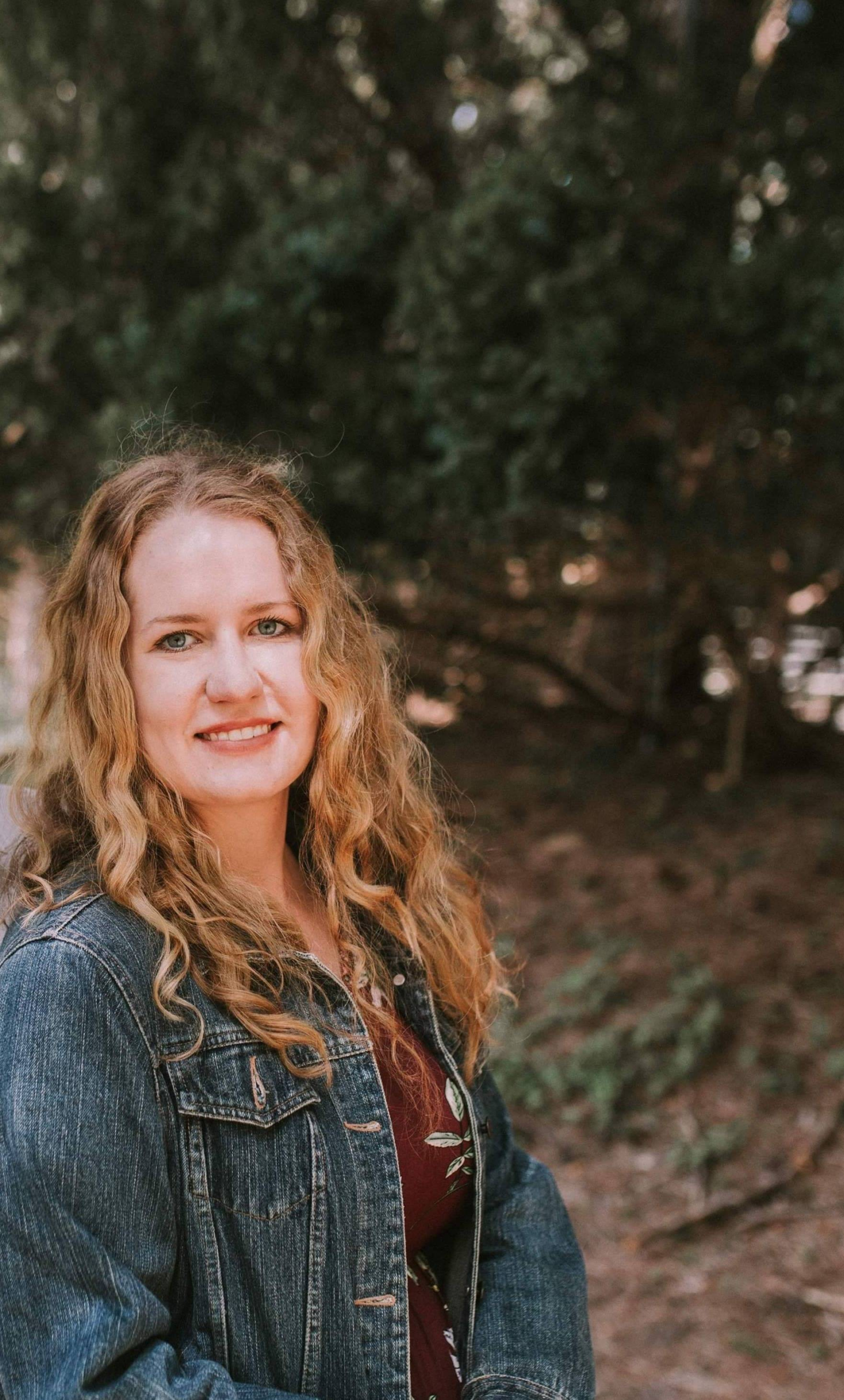
What I really treasure about forensic nursing is the ability to actually slow down and be present with somebody. To sit with them, listen to them, and make them feel seen during one of the hardest moments of their life, that is everything to me.
— Haley Krueger-Alyass
What might a typical exam look like?
A comprehensive forensic exam — commonly called a “rape kit” — is far more involved than most people realize. It typically includes:
- A full medical history
- Documentation of injuries, often with a specialized camera that can reveal bruising invisible to the naked eye
- Collection of forensic evidence (DNA, saliva, blood) using swabs from relevant areas
- Toxicology testing
- Medications to prevent STIs, HIV, and pregnancy
- Safety planning and follow-up care
Haley shared with us that in Michigan, the window for evidence collection extends to 120 hours (five days) after an assault. This is generally the standard across other states as well. The entire exam is patient-led — they choose what they do and don’t consent to — and it’s completely free, funded through the state’s Safe Response grant in Michigan.
Perks
Meaningful one-on-one time with patients For nurses burned out on the pace of acute care, forensic nursing offers something rare: extended, focused time to truly be present with someone.
A wide and growing field Beyond sexual assault nursing, forensic nurses can branch into death investigation, legal consulting, strangulation expertise, disaster preparedness, and more.
A chance to reignite your purpose Haley was burned out as an ER nurse before forensics gave her passion back. For nurses searching for meaning in their work, this path can be transformative.
Your clinical skills directly transfer Assessment, documentation, patient education, advocacy — the fundamentals of great nursing are exactly what make a great forensic nurse.
Challenges
Secondary trauma is real Absorbing stories of violence and trauma adds up. Haley was direct: the field needs to do more to support its nurses, and self-care is a requirement.
You’re often filling a gap others aren’t With so few trained providers, forensic nurses frequently carry a heavy load in under-resourced settings. That emotional weight, without enough support structures, is a real challenge.
The certification landscape is in flux The SANE certification program has temporarily paused while the overseeing organization reorganizes. It’s a period of transition, but the field is actively working through what comes next.
Stigma around the role Many providers, and even patients, don’t fully understand what forensic nurses do or why it matters. Part of the work is constantly educating the people around you on the importance and need for this work.
Work-life balance
Work-life balance in forensic nursing depends a lot on your setting. Community agency roles like Haley’s at Turning Point can involve on-call or flexible hours rather than a standard 9-to-5. That flexibility can be a draw, but it also means the work can follow you home in ways that go beyond a schedule.
Some Forensic nurses can work in an ER setting, moving between normal RN work and specialized forensic assessments. There are also opportunities to work in correctional facilities, medical examiner offices, and more.
The emotional weight of this work is real, and setting intentional limits on how you process and decompress is so important. Haley talked about building a support system and finding your people.
Nursing Skills that Translate
- Assessment and clinical judgment — You’re constantly reading what someone’s body and history are telling you.
- Documentation — Precise, detailed charting is central to the role, and it can directly impact legal outcomes.
- Patient advocacy — You’re fighting for the patient every single step of the way.
- Communication — You’ll work with law enforcement, physicians, social workers, and most importantly, survivors.
- Trauma-informed care — Understanding how trauma affects behavior and communication is foundational here.
How Much Experience Do you Need?
There’s no single required background — Haley has worked alongside colleagues from ER, pediatrics, ICU, and poison control. That said, a foundation in emergency nursing or women’s health is especially helpful. What matters most is the commitment to this population and a willingness to keep learning.
Some sites will train passionate nurses on the job. If forensic nursing calls to you, don’t wait until you feel fully ready — reach out, start networking, and let people know you’re interested.
Salary
Forensic nursing salaries vary depending on your setting (hospital vs. community agency), state, credentials, and role. Community agency positions may be hourly or contract-based, while hospital forensic nursing programs may fall under broader nursing pay scales. It’s worth asking directly during your job search — many of these programs are grant-funded, which can affect compensation structures.
How to Get Started
- Get clear on which area of forensic nursing interests you most — sexual assault nursing, death investigation, legal consulting, strangulation certification, or another direction
- Connect with the Academy of Forensic Nursing and the Emergency Nursing Association — both have community threads and networking resources for those just starting out
- Look into your local community agencies and see if they accept inquiries or office visits
- Ask hard questions — shadowing may not always be possible given the sensitive nature of the work, but sitting down with a practicing forensic nurse can tell you a lot
- Remember: the SANE certification is temporarily paused, but that doesn’t mean you can’t start building experience and connections now